
Illinois Severe Weather Home Safety Guide
Practical, Illinois-specific preparation for tornadoes, thunderstorms, flooding, extreme heat, and winter storms — before, during, and after severe weather hits.
Last reviewed: September 17, 2026
In an emergency
Follow official watches and warnings and instructions from local emergency authorities. Call 911 for any immediate danger or life-threatening emergency.
Never approach a downed power line — assume it is live and stay well away.
Never walk or drive through floodwater; turn around and find another route.
This guide is for general educational purposes only. It is not professional, medical, legal, fire, emergency-response, or building-code advice, and following it does not certify, inspect, or guarantee the safety of any home. Always follow instructions from local fire, police, and emergency services, and consult qualified professionals for your specific situation. This page collects and saves nothing you read here.
Safety checklist
Alerts & household communication
- Have at least two ways to receive alerts: a NOAA weather radio, a phone with wireless emergency alerts enabled, and a local outdoor siren where available.
- Agree on a family meeting point and an out-of-area contact in case local phone lines are jammed.
- Know the difference between a Watch (conditions are possible — stay alert) and a Warning (the hazard is happening or imminent — take shelter now).
Emergency supply kit
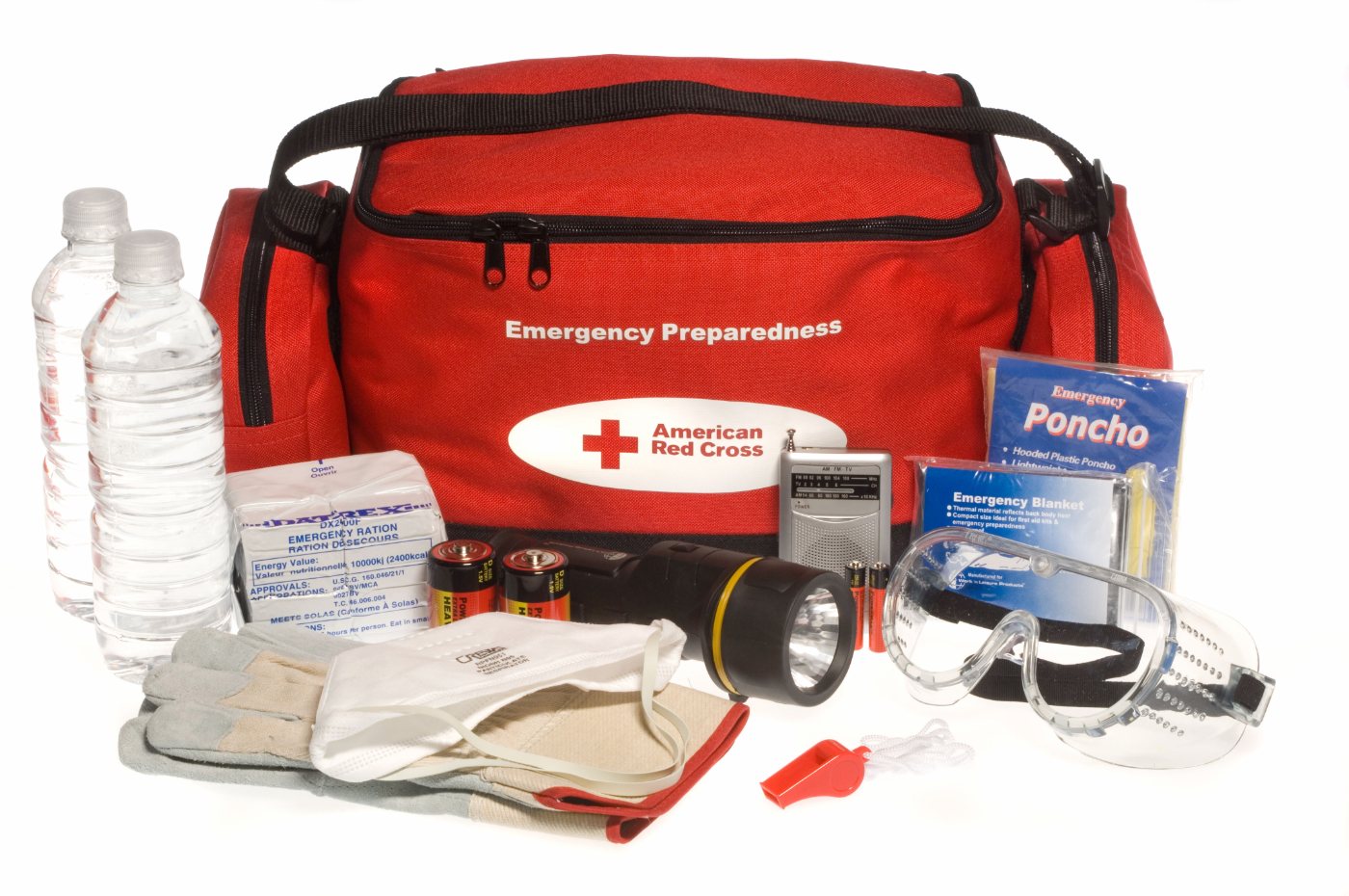
- Water, non-perishable food, flashlights, batteries, a first-aid kit, and any needed medications for at least three days.
- A backup phone charger or power bank, cash, and copies of important documents.
- Sturdy shoes and work gloves near the shelter area for post-storm cleanup.
Tornado shelter location
- Identify the lowest level, most interior room of your home — a basement, storm cellar, or a small windowless room like a closet or bathroom on the lowest floor.
- In a mobile home or vehicle, plan in advance to travel to a sturdy nearby building; mobile homes and vehicles are not safe tornado shelters.
- Practice getting to the shelter location with everyone in the household, including children and pets.
Thunderstorms & lightning
- Go indoors at the first sound of thunder and stay inside for at least 30 minutes after the last rumble.
- Avoid corded phones, plumbing, and electrical equipment during a storm.
- Stay away from windows during high winds and hail.
Flooding
- Never walk or drive through floodwater — depth and current are hard to judge, and roads can be washed out underneath.
- Move valuables and utilities off basement floors when flooding is possible, and know how to shut off electricity if water is rising.
- Turn around rather than crossing a flooded road, even if it looks shallow.
Extreme heat
- Identify a cooling location (air-conditioned room or public cooling center) before a heat wave arrives.
- Check on older adults, young children, and pets frequently; never leave anyone in a parked vehicle.
- Limit outdoor exertion during peak heat and stay hydrated.
Winter storms & extreme cold
- Keep a winter kit in vehicles: blankets, boots, a flashlight, and sand or kitty litter for traction.
- Let faucets drip and open cabinet doors during extreme cold to help prevent frozen pipes.
- Dress in layers and limit time outdoors in dangerous wind chills.
Power outages & generators
- Keep flashlights (not just candles) accessible, and know how to manually open a garage door if the power fails.
- Only run a generator outdoors, far from windows and doors, to prevent carbon monoxide from entering the home.
- Never run a generator, grill, or camp stove indoors or in an attached garage.
Property & document preparation
- Photograph your home and belongings and store copies of insurance and identification documents somewhere accessible if you evacuate.
- Clear gutters and downspouts before storm season and trim dead tree limbs that could fall on the house.
- Know your homeowner's or renter's insurance coverage for wind, hail, and flood damage before a storm hits.
Pets
- Include pets in your shelter plan — bring them indoors before a storm and keep a leash or carrier near the shelter area.
- Pack pet food, water, and any medications in your emergency kit.
After the storm
- Stay away from downed power lines and assume any line on the ground is live.
- Watch for structural damage before re-entering a home, and be alert for gas odors.
- Report damage to your insurer and, for structural repairs, confirm permit requirements with your local jurisdiction before rebuilding.
Practical guidance
Illinois sees the full range of severe weather: spring and summer tornadoes and thunderstorms, flash flooding, dangerous summer heat, and winter storms with extreme cold. The single most effective step a household can take is agreeing on a plan before the weather arrives — where to shelter, how to get alerts, and what to keep in an emergency kit — rather than deciding under pressure.
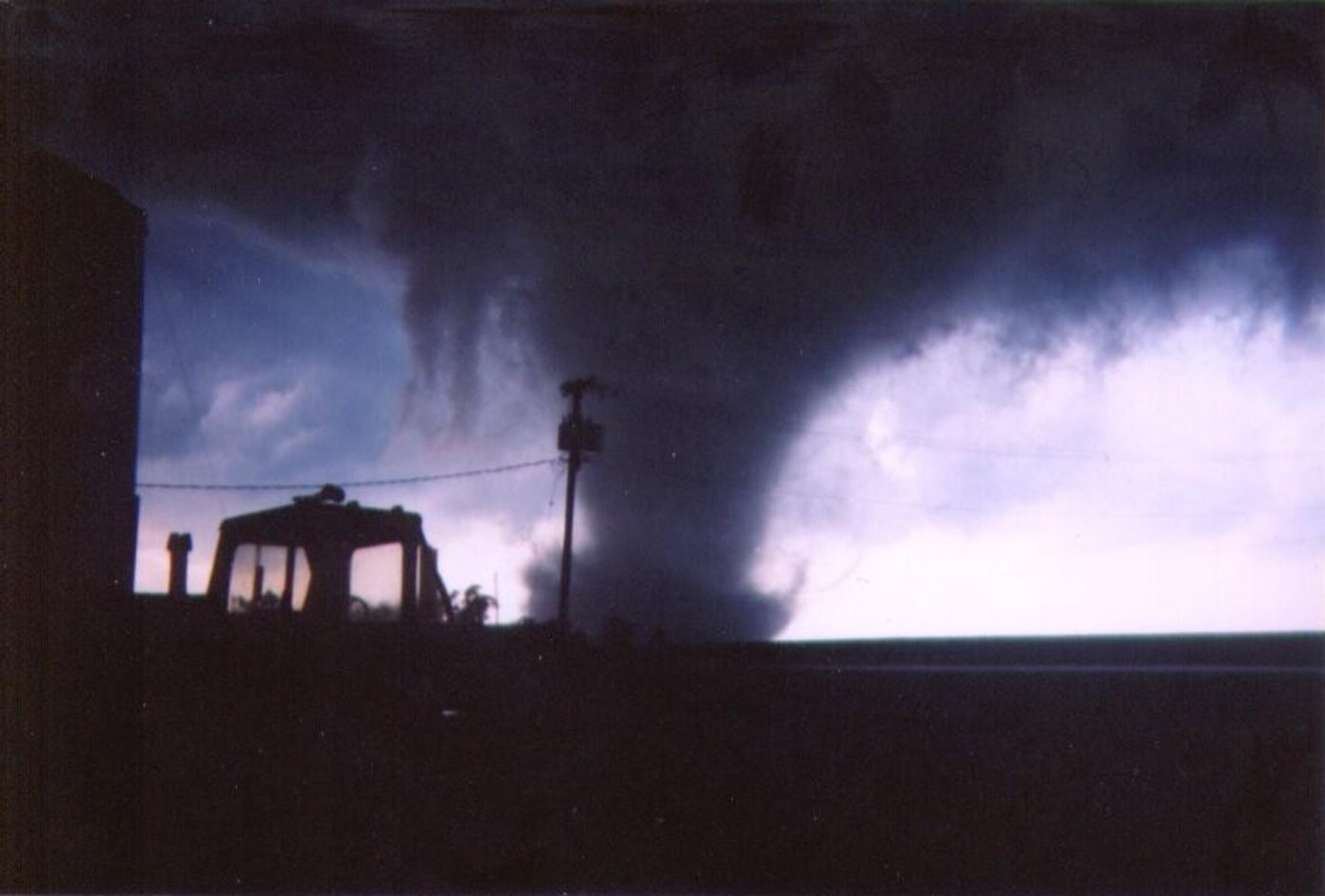
Understanding watch versus warning language helps you act at the right time: a watch is your cue to review the plan and stay alert, while a warning means the hazard is happening or imminent and you should take shelter or protective action immediately.
Flooding and downed power lines are responsible for many preventable severe-weather injuries and deaths — the guidance is simple and firm: never walk or drive through floodwater, and never approach a line on the ground. During outages, generators are useful but must always run outdoors, away from windows and doors, to avoid carbon monoxide buildup indoors.
After a storm, take time to assess damage safely before resuming normal activity, and if repairs involve structural, electrical, or roofing work, confirm with your local permit authority whether approval is required before work begins.