
Carbon Monoxide Safety Guide for Illinois Homes
Alarm placement, appliance maintenance, and safe generator and grill use to help reduce carbon monoxide risk in Illinois homes.
Last reviewed: September 17, 2026
In an emergency
- If a CO alarm sounds or anyone feels unwell, move everyone to fresh air immediately.
- Call 911 from a safe location.
- Do not re-enter the home until fire department or emergency responders confirm it's safe.
This guide is for general educational purposes only. It is not professional, medical, legal, fire, emergency-response, or building-code advice, and following it does not certify, inspect, or guarantee the safety of any home. Always follow instructions from local fire, police, and emergency services, and consult qualified professionals for your specific situation. This page collects and saves nothing you read here.
Safety checklist
Alarm placement
- Install carbon monoxide alarms outside each sleeping area and on every level of the home, following the manufacturer's and any local code placement requirements.
- Consider combination smoke/CO alarms to simplify maintenance, provided they meet applicable listing requirements.
- Don't place alarms directly next to fuel-burning appliances, in dead air spaces, or right next to a window or vent, where readings can be inaccurate.
Testing & replacement
- Test CO alarms monthly using the test button and replace batteries as the manufacturer specifies.
- Replace each alarm at the age printed on its label, even if it still appears to be working, since CO sensors degrade over time.
Fuel-burning appliances
- Have furnaces, water heaters, gas stoves, and other fuel-burning appliances inspected and serviced by a qualified technician every year.
- Never use a gas oven or stovetop to heat your home.
- Have chimneys and flues checked for blockages or damage, especially before winter heating season.
Generators, grills & vehicles
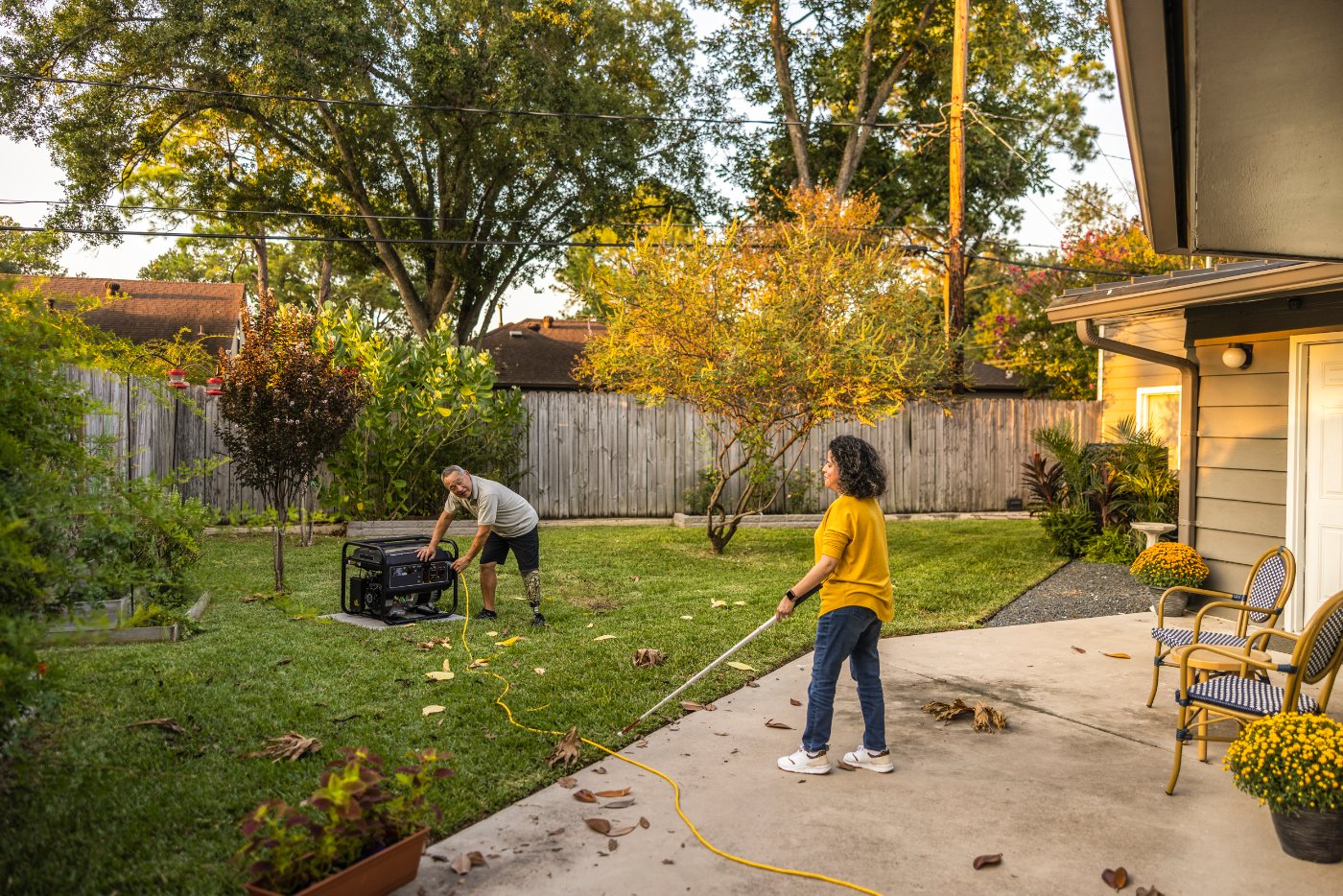
- Run portable generators outdoors only, well away from windows, doors, and vents — never in a garage, basement, or enclosed space, even briefly.
- Never use a charcoal or gas grill indoors or in an enclosed porch or garage.
- Never leave a vehicle running in an attached garage, even with the garage door open.
Snow-blocked vents
- After snowfall, check that furnace, dryer, and water heater exhaust vents are clear of snow and ice.
- Keep exterior vents for fuel-burning appliances clear year-round, including from debris, ice, and nesting insects or animals.
Practical guidance
Carbon monoxide is odorless and colorless, so working alarms are the only reliable way to detect it in your home. Placement matters: follow the manufacturer's instructions and any applicable local requirements for where alarms should be installed, and avoid placing them where drafts or dead air spaces can skew readings.
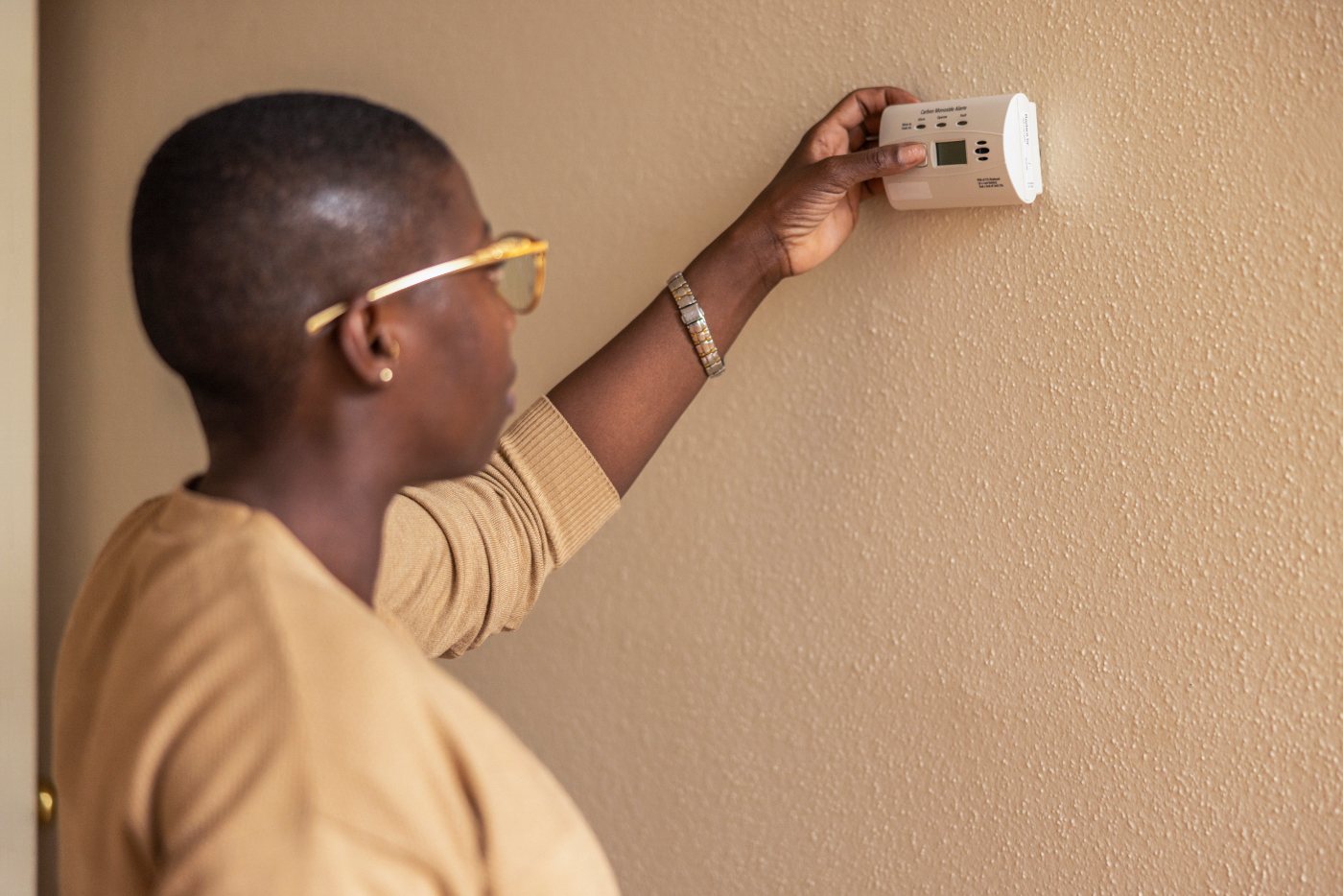
Illinois winters bring two common CO risks worth planning for: snow can block furnace, dryer, and water heater exhaust vents after a storm, and portable generators see heavy use during winter power outages. Check exterior vents after every snowfall, and always keep generators outdoors and away from any opening into the home.
This guide cannot evaluate or diagnose symptoms you or a family member may be experiencing. If a CO alarm has sounded or you suspect exposure, treat it as an emergency rather than waiting to see whether symptoms develop.