
Illinois Home Fire Safety Guide
Practical, Illinois-focused steps to reduce home fire risk — from alarm placement and escape planning to generators and lithium-ion battery safety.
Last reviewed: September 17, 2026
In an emergency
- If you see fire or smell smoke: get out, stay out, and call 911 from outside the home.
- Never go back inside for belongings or pets — let firefighters know if anyone or anything is still inside.
- Crawl low under smoke toward your planned exit, and close doors behind you as you go.
This guide is for general educational purposes only. It is not professional, medical, legal, fire, emergency-response, or building-code advice, and following it does not certify, inspect, or guarantee the safety of any home. Always follow instructions from local fire, police, and emergency services, and consult qualified professionals for your specific situation. This page collects and saves nothing you read here.
Safety checklist
Smoke & CO alarms
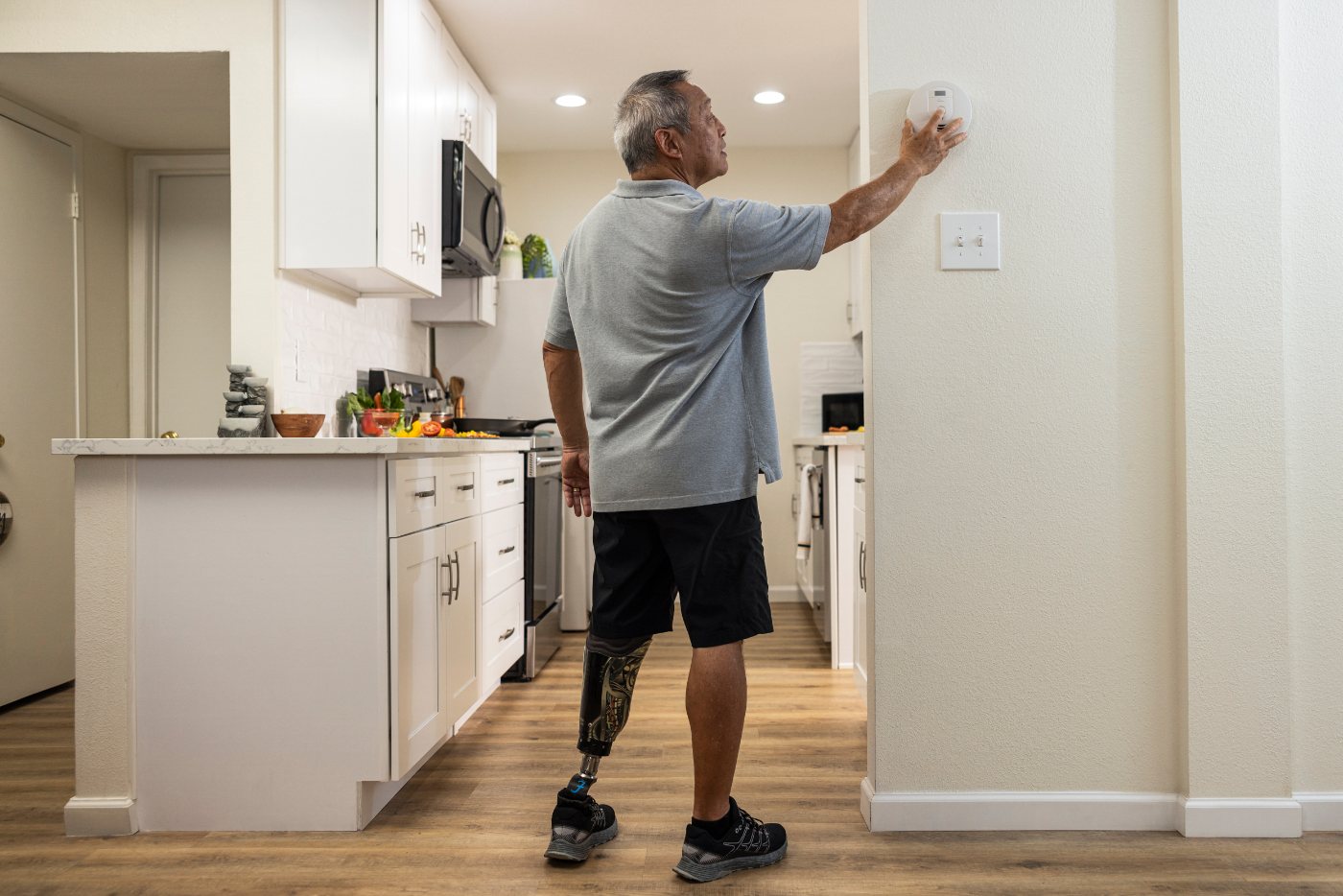
- Install smoke alarms inside every bedroom, outside each sleeping area, and on every level of the home, including the basement.
- Test alarms monthly and replace batteries as the manufacturer instructs; replace the entire alarm unit at the age printed on its label (typically 8–10 years).
- Interconnect alarms where possible so that one sounding triggers all of them.
Escape planning
- Draw a home escape plan with two ways out of every room, and practice it with everyone in the household, including children and older adults.
- Agree on an outdoor meeting place a safe distance from the home, such as a specific tree or mailbox.
- Practice closing doors behind you as you leave to slow the spread of fire and smoke.
- Make sure all bedroom windows and doors open easily from the inside; check that any security bars have quick-release mechanisms.
Cooking safety
- Stay in the kitchen while frying, grilling, or broiling food, and keep a lid nearby to smother small pan fires.
- Keep towels, curtains, and paper products away from the stovetop.
- Turn off burners and unplug small appliances such as toasters and slow cookers when not in use.
Heating & fireplaces
- Keep portable space heaters at least three feet from bedding, curtains, and furniture, and turn them off before leaving the room or sleeping.
- Have chimneys, furnaces, and wood stoves inspected and cleaned by a qualified professional at least once a year.
- Use a sturdy screen in front of any open fireplace and let ashes cool completely in a metal container before disposal.
Electrical hazards
- Avoid overloading outlets and extension cords; replace cords that are cracked, frayed, or warm to the touch.
- Have a licensed electrician address flickering lights, warm outlets, or a persistent burning smell.
- Use extension cords only as a temporary measure, never as permanent wiring.
Fire extinguishers
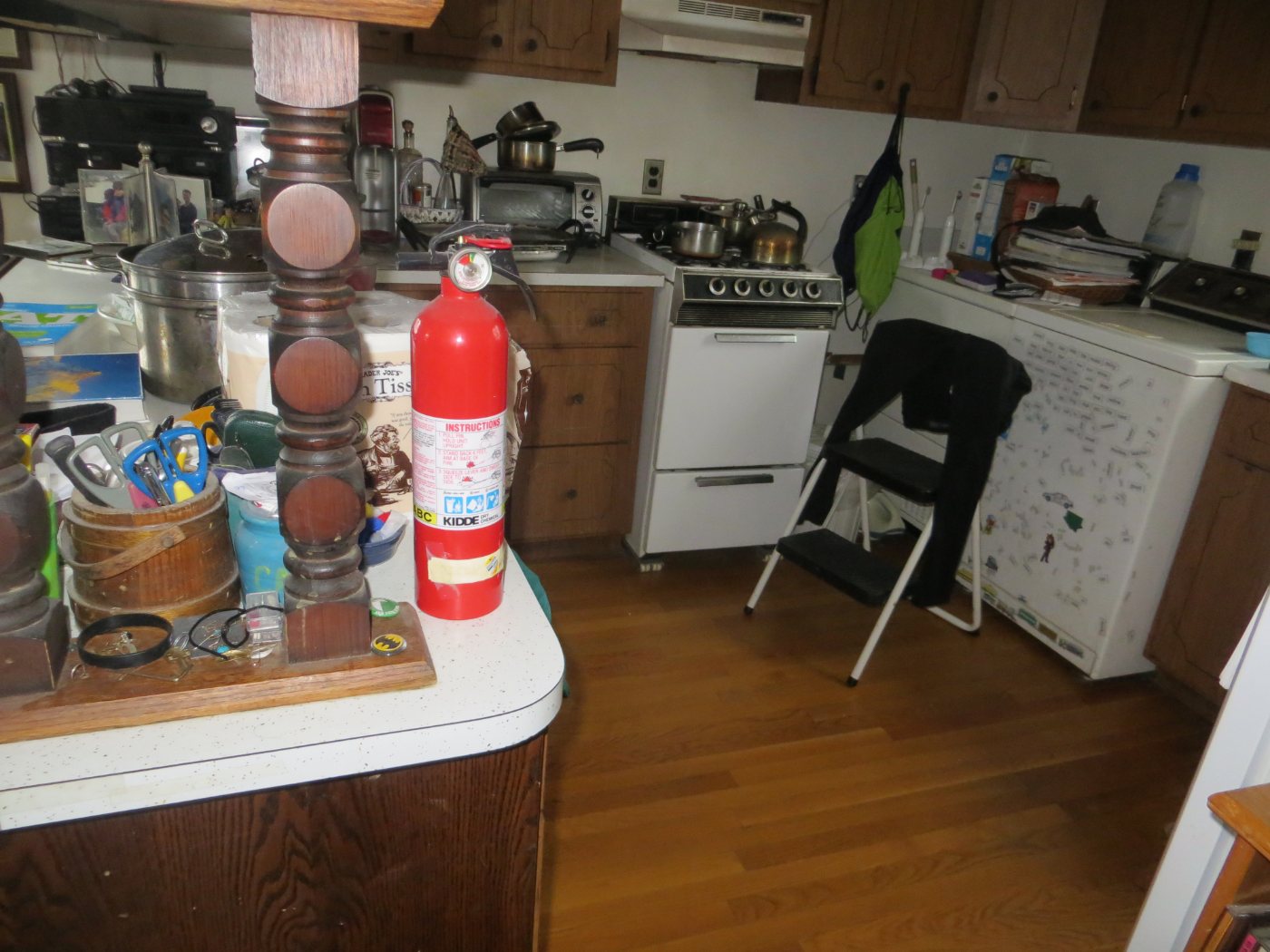
- Keep a multipurpose (ABC) fire extinguisher in or near the kitchen and know how to use it before an emergency.
- Only attempt to fight a fire that is small and contained, and always keep an exit path behind you.
- If the fire grows, spreads, or you're unsure, leave immediately and call 911 instead.
Generators & portable power
- Run portable generators outdoors only, at least 20 feet from doors, windows, and vents, and never in a garage even with the door open.
- Let a generator cool before refueling to avoid igniting spilled fuel.
- Store gasoline and other fuels in approved containers, away from living spaces and heat sources.
Lithium-ion batteries
- Charge e-bikes, scooters, and other lithium-ion battery devices on a hard surface, away from exits, and don't leave them charging unattended overnight.
- Use only the charger that came with the device or a manufacturer-approved replacement.
- Stop using and safely dispose of any battery that is swollen, leaking, overheating, or was dropped or damaged.
Children & pets
- Store matches and lighters up high, out of children's sight and reach, ideally in a locked cabinet.
- Teach children what smoke alarms sound like and what to do — including stop, drop, and roll if clothing catches fire.
- Keep leashes or carriers near an exit so pets can be evacuated quickly if it's safe to do so.
After a fire
- Don't re-enter the home until the fire department confirms it's safe.
- Contact your insurance company before disposing of damaged property, and photograph the damage first.
- Have a professional inspect electrical, gas, and structural systems before use, even after a small fire.
Practical guidance
Most home fires are preventable with a few consistent habits. Cooking is the leading cause of Illinois home fires, so staying in the kitchen while food is on the stove — and keeping a lid or extinguisher nearby — prevents many incidents before they start. Heating equipment and portable heaters are the next biggest risk, especially during Illinois winters, so give space heaters plenty of clearance and have chimneys and furnaces serviced annually.
An escape plan only works if everyone in the household has practiced it. Walk through your two exits from each room, agree on a meeting spot outside, and make sure young children and anyone with mobility limitations know exactly what to do when an alarm sounds. If you use a portable generator during a power outage, treat it the same as a carbon monoxide hazard — always outdoors, always away from openings.
After any fire, no matter how small, have a qualified professional check affected wiring, gas lines, and structural elements before resuming normal use, and don't dispose of damaged property until your insurer has had a chance to document it.