
Aging-in-Place Home Safety Guide
A respectful, room-by-room look at reducing fall and hazard risks so older adults can keep living independently and safely at home.
Last reviewed: September 17, 2026
In an emergency
Call 911 for a fall with suspected serious injury, loss of consciousness, or any immediate danger.
If a neck or back injury is possible, avoid moving the person unless it's necessary to escape immediate danger — movement can worsen a spinal injury.
This guide is for general educational purposes only. It is not professional, medical, legal, fire, emergency-response, or building-code advice, and following it does not certify, inspect, or guarantee the safety of any home. Always follow instructions from local fire, police, and emergency services, and consult qualified professionals for your specific situation. This page collects and saves nothing you read here.
Safety checklist
Entrances & routes
- Make sure at least one entrance is step-free or has a secure, code-compliant ramp with handrails.
- Keep walkways, porches, and steps well lit and clear of ice, leaves, and clutter.
- Add slip-resistant treads or mats at entry points that can get wet.
Lighting throughout the home
- Add night-lights along the path from bedroom to bathroom.
- Use light switches at both ends of stairways and hallways where possible.
- Replace dim or flickering bulbs promptly and consider higher-lumen bulbs for task areas.
Stairs & railings
- Ensure secure handrails on both sides of stairways whenever feasible.
- Mark the top and bottom step edges with contrasting tape or paint if vision is a concern.
- Keep stairs free of loose rugs, cords, and stored items.
Trip hazards
- Secure or remove loose rugs and runners, or add non-slip backing.
- Route cords and cables away from walking paths.
- Keep frequently used items within easy reach to avoid unnecessary reaching or climbing.
Bathroom
- Install grab bars near the toilet and inside/outside the tub or shower, anchored into wall studs or blocking.
- Use non-slip mats or strips in the tub or shower and on the bathroom floor.
- Consider a raised toilet seat or shower bench if standing or transferring is difficult.
Kitchen
- Store frequently used items on lower shelves to reduce reaching and climbing.
- Consider a stove with an automatic shutoff or timer reminders to reduce fire risk from unattended cooking.
- Keep a fire extinguisher accessible and know how to use it.
Bedroom & night paths
- Keep a phone, flashlight, and glasses within reach of the bed.
- Clear a direct, well-lit path from bed to bathroom.
- Consider a bed height that allows feet to touch the floor easily when sitting up.
Smoke & carbon monoxide alarms
- Install smoke and CO alarms on every level and near sleeping areas, testing them monthly.
- Consider alarms with strobe lights or bed shakers for those with hearing loss.
- Replace alarms and batteries on the manufacturer's recommended schedule.
Medication, vision & strength
- Keep medications organized and well lit to reduce dosing errors.
- Schedule regular vision and hearing checks, since sensory changes raise fall risk.
- Discuss balance, strength, or medication side effects with a clinician if unsteadiness increases.
Emergency communication
- Keep a charged phone within reach in commonly used rooms and consider a medical alert device if living alone.
- Post emergency numbers and a list of current medications somewhere visible for responders.
- Arrange regular check-ins with a family member, friend, or neighbor.
Practical guidance
Aging in place is about preserving independence, not giving it up — small, targeted changes to lighting, footing, and reach can meaningfully reduce the most common causes of home injury among older adults: falls, fire, and delayed emergency communication.
Start with the areas where a fall is most likely and most consequential — bathrooms, stairs, and the path from bedroom to bathroom at night — before moving on to broader improvements like entrance accessibility or kitchen reach.
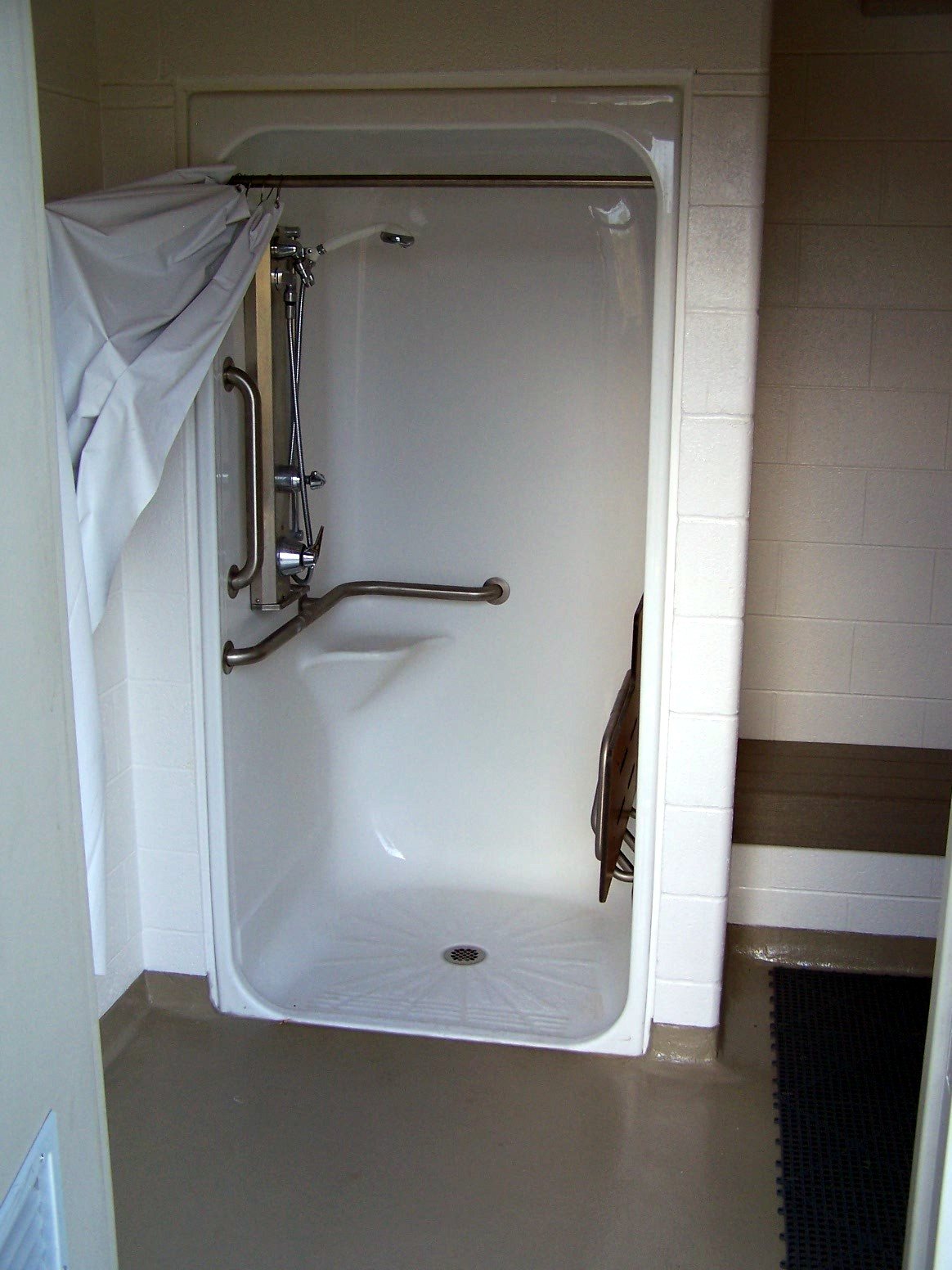
Some changes are simple, low-cost adjustments a household can make directly, such as securing rugs or adding night-lights. Others benefit from professional input: an occupational therapist can assess individual needs, a contractor or electrician can install grab bars, ramps, or additional lighting correctly and safely, a plumber can adapt bathroom fixtures, and a clinician can evaluate medication or balance-related fall risk. For any change that alters a structure, adds a ramp, or modifies electrical or plumbing systems, confirm with your local permit authority whether approval is required before work begins.

Revisit this checklist periodically and after any change in health, mobility, or vision — needs can shift gradually, and a home that was safe a year ago may need small updates today.