
Illinois Lead Paint & Asbestos Remodeling Safety Guide
Before any wall comes down, paint gets sanded, or old flooring gets pulled up in an Illinois home, two hazards deserve a deliberate pause: lead-based paint and asbestos-containing building materials. This guide walks through the questions to ask about your project first, then the federal and Illinois-specific rules, testing pathways, and professional resources for each hazard.
Last reviewed: September 17, 2026
Before you disturb anything
Answer these four questions about your specific project before any demolition, sanding, cutting, or removal begins. The right answer depends entirely on your building's age, use, occupants, materials, and the scope of work — there is no universal answer for every Illinois home.
How old is the building, and what was it used for?
Note the construction year, any prior commercial or public use, and the number of dwelling units — all of it can change which rules apply.
Who lives there, and when?
Owner-occupied or tenant-occupied, and whether children under six or a pregnant household member are present, changes both the risk and which rules apply.
What material is involved, and what condition is it in?
Painted surfaces, flooring, insulation, siding, or textured finishes in different conditions (intact vs. damaged) call for different next steps.
What's the actual scope of work?
Minor repair, a full renovation, or demolition are treated differently under federal and Illinois rules — and window replacement or demolition removes some minor-repair exceptions entirely.
Two hazards, two different starting points
Painted surfaces in housing built before 1978
Presume the paint may contain lead for planning purposes, unless documentation or qualified testing shows otherwise. If you're hiring paid help to disturb that paint, look for an EPA lead-safe certified firm with a certified renovator. If you want a definitive answer first, get qualified testing rather than guessing from appearance.
Suspect insulation, tile, mastic, siding, texture, or boiler material
Stop before disturbing it. Have a qualified asbestos professional inspect and, if appropriate, sample the material before any cutting, sanding, drilling, or removal — appearance, age, and color cannot reliably confirm or rule out asbestos.
Do not do these to suspect material before it's evaluated
- Sanding, scraping, dry-sanding, or drilling into painted, textured, or suspect building material
- Cutting, breaking, or removing suspect flooring, siding, insulation, pipe wrap, or ceiling material
- Dry sweeping or vacuuming suspect dust or debris with an ordinary household vacuum
- Bagging, moving, transporting, or disposing of suspect material or debris yourself
Appearance alone cannot confirm or rule out lead paint or asbestos — visual inspection is a reason to test, not a substitute for it.
This guide is for general education only. It is not medical, legal, engineering, or professional advice, does not certify or guarantee the safety of any material, project, or home, and does not determine what federal, Illinois, or local rules apply to your specific project. For an active emergency, call 911. This page collects and saves nothing you read or enter here.
Why pre-1978 paint matters for a renovation
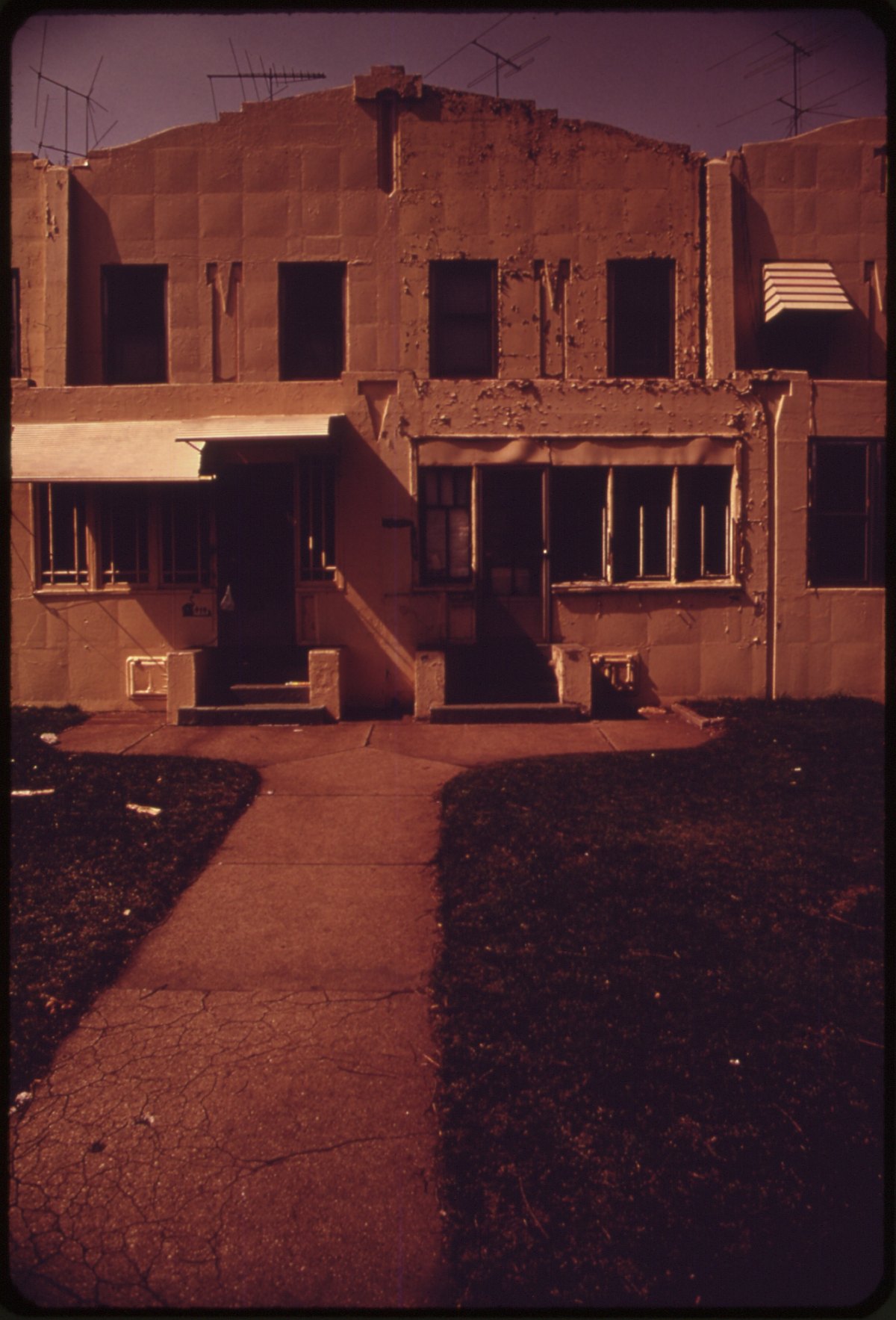
The federal ban on residential lead-based paint took effect in 1978, so housing built before that year may have layers of lead paint under later coats. Renovation activities that disturb painted surfaces — remodeling, plumbing, electrical work, carpentry, paint prep, window replacement, and demolition — can create lead dust that's hazardous to breathe or ingest, even when the work looks routine.
The federal RRP Rule — who it generally applies to
EPA's Renovation, Repair and Painting (RRP) Rule generally applies to paid firms and individuals disturbing painted surfaces in pre-1978 homes, apartments, and child-occupied facilities. Covered firms — general contractors, painters, plumbers, electricians, and other trades — must be certified, assign a certified renovator, provide required pre-renovation education, and follow lead-safe work practices.
The federal rule generally excludes housing built in 1978 or later; certain elderly/disabled housing and zero-bedroom units unless a child under six lives or is expected to live there; components documented lead-free through an appropriate qualified process; and "minor repair and maintenance" disturbing no more than 6 square feet per interior room or 20 square feet on the exterior. Window replacement and demolition of painted surfaces remain covered regardless of square footage. These are federal RRP categories only — they are not a universal exemption from Illinois, local, housing, health, or contract requirements, which can still apply on top of or instead of RRP.
If you own and occupy the home yourself, EPA generally does not apply RRP requirements to a homeowner performing renovation in their own owner-occupied residence. This exception does not extend to landlords, property managers, contractors, or rental housing, and it doesn't eliminate possible Illinois abatement, public-health, code, or waste requirements. Because lead-safe work practices exist specifically to limit dust exposure, doing this work yourself without those practices — especially around children or a pregnant household member — carries real risk even where the rule doesn't formally require certification.
Hiring a firm: verify lead-safe certification
Before work begins, ask a hired firm for:
- Current EPA or Illinois-authorized firm certification.
- The assigned individual's current certified renovator training.
- A written description of containment, cleaning verification, and occupant protection.
- Who will perform any paint testing, inspection, risk assessment, or abatement, and their credentials.
EPA's Lead-Based Paint Professional Locator can help verify certification. If a firm isn't listed, that alone doesn't confirm it lacks certification — contact the National Lead Information Center rather than assuming.
Renovation is not the same as abatement
RRP renovation
Ordinary repair, maintenance, remodeling, painting, or replacement, where lead paint may be disturbed incidentally to the work's real purpose.
Lead abatement
Work whose purpose is to permanently eliminate or control an identified lead hazard — this requires specialized inspections/risk assessments and Illinois-licensed personnel.
The Illinois Department of Public Health (IDPH) licenses lead inspectors, risk assessors, abatement contractors, supervisors, and workers under the Lead Poisoning Prevention Code. A firm's ordinary federal RRP certification is not automatically an Illinois lead-abatement license — confirm the correct credential for the actual scope of work.
How lead exposure can happen during a project
Paint chips and settled dust
Especially from friction surfaces like windows, doors, and trim disturbed during renovation.
Contaminated soil
From historic exterior paint or nearby vehicle/industrial sources, tracked or blown indoors.
Take-home dust on clothing, shoes, or tools
Dust can travel home on a worker's clothing or equipment and settle in living spaces.
Drinking water
From lead service lines, older plumbing, solder, or certain fixtures — a separate pathway from paint.
Before work starts, ask: will children or a pregnant household member be present or nearby during the project? Can they be kept out of the work area and away from tools, debris, and dust until cleanup is verified? Lead stored in adult bones can be released into the blood during pregnancy, which is a reason to raise the question with a healthcare provider — not a reason to self-diagnose any symptom.
Blood testing and paint testing — two different questions
Blood lead testing
Ask a child's healthcare provider or the local health department about testing if exposure is possible; a finger-prick result may need a confirmatory venous test. CDC's current blood lead reference value is 3.5 µg/dL — a population reference point used to identify children with higher exposure than most, not a declaration that levels below it are risk-free or a diagnosis of illness.
Paint testing
For planning, treat pre-1978 paint as presumed lead-containing. For a formal determination, hire an Illinois-licensed lead inspector or risk assessor; RRP component decisions use only EPA-recognized test kits or lab analysis performed by a certified renovator, and XRF testing is performed by certified inspectors/risk assessors. Consumer swab kits have real limits — they may miss layered or hidden paint and shouldn't substitute for a licensed determination.
If containment fails or dust escapes unexpectedly
- Stop work immediately and keep occupants, especially children, out of the affected area.
- Don't clean the area with an ordinary household vacuum or dry sweeping — this can spread dust further.
- Document what happened (photos, time, extent) and notify the contractor or crew lead right away.
- Contact the appropriate authority or professional — the certified firm's supervisor, IDPH, the local health department, or Illinois EPA — before work resumes in that area.
A firm must re-establish containment before continuing if protective barriers fail or are removed; for exterior work, conditions like high wind can also require pausing until containment is effective again.
A note on seasonal exterior work
Exterior paint-disturbing work in Illinois often happens in warmer months, but weather conditions such as wind can still force a pause in containment regardless of season. Follow the certified firm's containment plan and your own project timeline rather than rushing exterior work to beat weather.
Records worth keeping
- Lead inspection/risk assessment reports and lab results for paint, dust, soil, or water.
- The RRP firm's certificate and the assigned renovator's credentials.
- Pre-renovation education and project documentation.
- Any abatement plans, occupant notices, and clearance reports.
These records matter for future renovations, real estate disclosure, and confirming what was actually done to the property.
Materials in older homes that may contain asbestos
Asbestos was common in building materials before the mid-1970s and was still occasionally used into the late 1980s. Neither age nor appearance confirms or rules out asbestos — this list is a starting point for what to have inspected, not a way to identify a material yourself.
Flooring may contain asbestos
Vinyl tile, sheet-floor backing, mastic, and underlayment.
Pipe and boiler systems may contain asbestos
Pipe lagging/wrap, boiler and furnace insulation, gaskets, duct lining.
Attic and wall insulation may contain asbestos
Vermiculite or other loose-fill insulation, sprayed or batt insulation.
Exterior materials may contain asbestos
Cement-board siding, roof felt, shingles, and window putty.
Interior surfaces may contain asbestos
Textured ceilings/walls, acoustical tile, joint compound, and certain adhesives.
Older equipment may contain asbestos
Water heaters, range hoods, dryers, and heat reflectors on some older appliances.
Intact vs. damaged material — and why removal isn't automatically safest
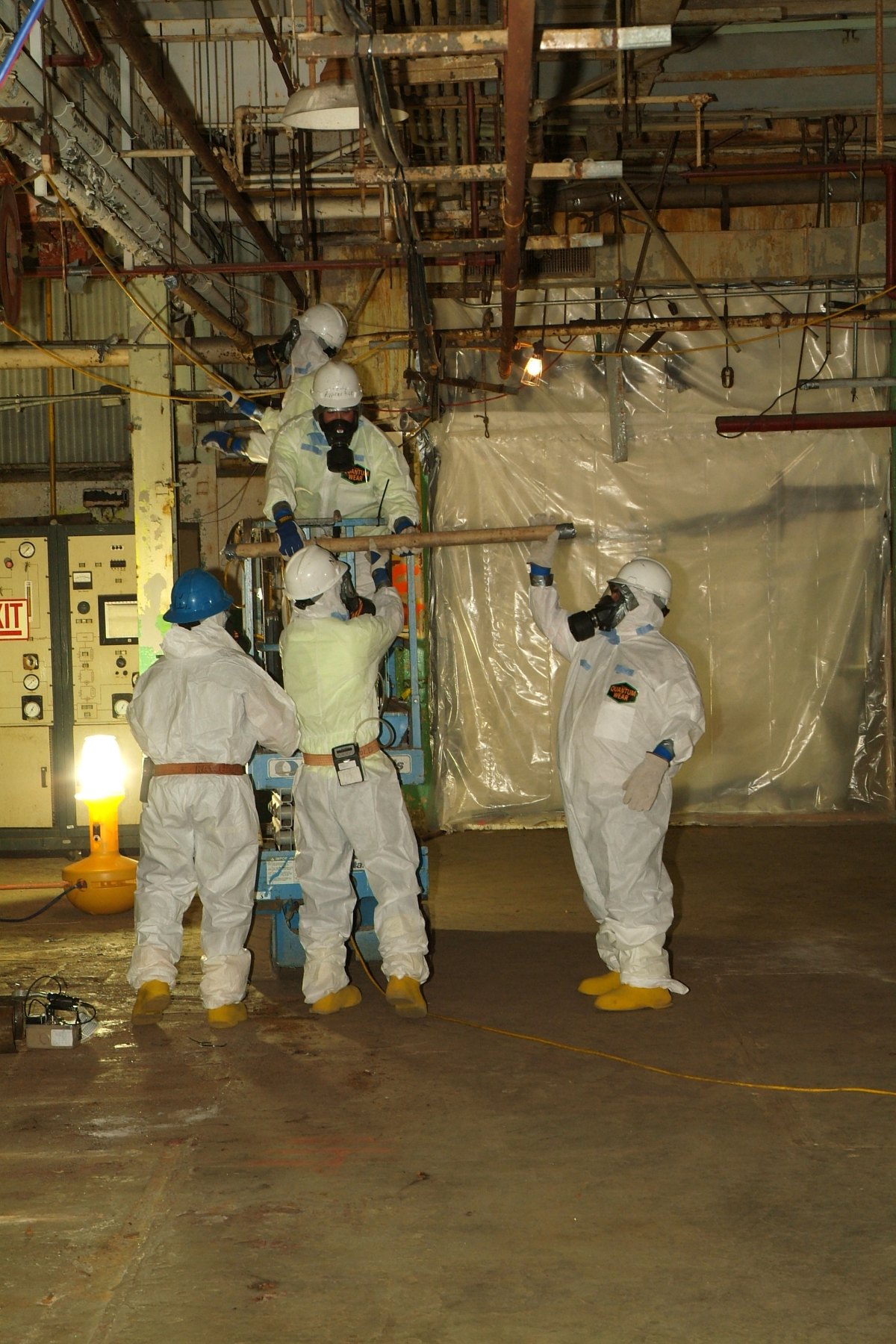
Intact, nonfriable material that won't be disturbed is often managed in place. Damaged, crumbling, fraying, or friable material needs professional evaluation. Removal is not automatically the safest choice — disturbing a material can increase airborne fiber risk more than leaving it alone. Encapsulation, enclosure, repair, or removal all depend on condition, location, accessibility, and project scope, which is why a qualified asbestos professional should inspect and, if appropriate, sample the material before anything is disturbed.
Illinois and federal program boundaries — confirm before assuming either way
IDPH asbestos licensing
IDPH's asbestos licensing program primarily covers work in schools, commercial buildings, and public buildings — licensed contractors, workers, supervisors, inspectors, and project designers. The exact obligation depends on building type, work type, material, and amount.
Federal NESHAP
The federal asbestos NESHAP generally covers regulated demolition and renovation of covered facilities. A privately owned residential structure with four or fewer dwelling units is generally exempt, but that exemption is not universal — prior/planned commercial use, multiple buildings or more than four units, demolition versus renovation, and the amount of material involved can all change the answer.
Illinois EPA and IDPH set thresholds and notification requirements for regulated projects, and Chicago and Cook County have their own additional local filing rules and exceptions. This guide does not attempt to simplify those thresholds into an answer for any specific project — a demolition, a large renovation, a multifamily building, or a project on land with prior commercial or public use should always be confirmed directly with Illinois EPA, IDPH, or the local authority before work begins.
If suspect material is found or disturbed unexpectedly
- Stop the affected work immediately and keep everyone out of the area.
- Don't sweep, vacuum with an ordinary vacuum, or handle the debris yourself.
- If it can be done safely without entering the affected space or spreading contamination, consider turning off HVAC that could distribute dust further, then have a qualified professional evaluate the system before restarting it.
- Contact a qualified asbestos professional and, where applicable, Illinois EPA, IDPH, or the local health department.
- If there's an active fire or structural danger, call 911 first — life safety comes before material handling.
Do not cut, drill, scrape, break, sand, remove, vacuum, bag, or dispose of suspect material yourself based on this guide — every step above is about isolating the area and getting qualified help, not handling it.
A project planning sequence, not removal instructions
- Identify the project scope, building age/use, and whether it involves demolition, renovation, or repair.
- Have a qualified asbestos professional inspect and sample any suspect material before disturbance.
- Confirm with Illinois EPA, IDPH, or the local authority whether your project triggers a notification or permit.
- Hire licensed professionals for any inspection, sampling, or abatement work identified as necessary.
- Confirm waste handling and disposal arrangements before work begins, not after material is removed.
Contractor and waste questions worth asking
- What license or credential does the inspector, sampler, or abatement contractor hold, and for what scope of work?
- Has a written inspection or sampling report been provided before any removal is scheduled?
- How will waste be classified, packaged, and labeled?
- Who is the authorized waste transporter, and which facility will receive it?
- Will manifests, receipts, and disposal records be provided, and who is legally responsible for the waste?
Real estate disclosure and records
Federal lead-disclosure rules generally apply to most pre-1978 housing before a sale or lease — sellers, landlords, and agents must disclose known lead-based paint information and provide available records. There is no equivalent federal asbestos disclosure rule referenced here, so asbestos records are worth keeping for your own project planning and for a future buyer even where no disclosure form requires it.
- Lead inspection/risk-assessment reports and any available lead-paint disclosure records.
- Asbestos inspection, sampling, and laboratory results.
- Notification filings, contractor licenses, and waste manifests.
- Photos, permits, change orders, and any incident reports.
Keep these records together and transfer them to a buyer when the property is sold.
Permitting authority, fees, and notification procedures for a renovation or demolition vary by county and municipality, and Chicago and Cook County have their own additional processes. Use the Illinois Permit Finder to identify a likely local permit authority to contact before construction, demolition, or abatement work.
Frequently asked questions
Sources
- EPA — Renovation, Repair and Painting Program: Contractors
- EPA — Renovation, Repair and Painting Program: Consumers
- EPA — Steps to Lead Safe Renovation, Repair and Painting
- EPA — Lead-Based Paint Professional Locator
- EPA — How Can I Tell If My Home Contains Lead-Based Paint?
- IDPH — Lead Abatement/Mitigation Licensure
- 77 Ill. Adm. Code Part 845 — Lead Poisoning Prevention Code
- CDC — Testing for Lead Poisoning in Children
- CDC — Risk Factors and Pregnancy
- Illinois EPA — Asbestos in House or Apartment
- Illinois EPA — Asbestos in My Building
- Illinois EPA — Asbestos
- IDPH — Asbestos Abatement
- 77 Ill. Adm. Code Part 855 — Asbestos Abatement for Schools and Commercial/Public Buildings
- EPA — I'm Remodeling My Home: Asbestos in Building Materials
- EPA — Protect Your Family from Exposures to Asbestos
- EPA — Lead-Based Paint Disclosure Rule
- EPA — Asbestos-Containing Materials and Demolition
This guide is general education, not professional, medical, legal, or engineering advice, and it does not certify or guarantee the safety, condition, or code compliance of any material, project, or home. For an active emergency, call 911 first.