
Illinois Private Well & Septic System Guide
A practical, Illinois-focused walkthrough of two systems that keep a rural or unincorporated property running: the private well that supplies drinking water, and the septic system that disposes of wastewater — testing, warning signs, emergency response, maintenance, and permits, built from official Illinois and federal sources.
Last reviewed: September 17, 2026
Two systems, one property
A private well and a septic system are separate, independently regulated systems that happen to share the same lot. They don't feed into each other — but a failing septic system can contaminate a nearby well, and a poorly sited or damaged well can be vulnerable to a septic or other contamination source. Understanding both, and where they sit relative to each other, matters for both systems' safety.
Drinking water path
Wastewater path
Keep them separate in your mind, but never assume one is fine just because the other is — a septic or well problem is worth investigating together, not in isolation.
This guide is for general education only. It is not medical, legal, engineering, or professional advice, and it does not certify, inspect, test, or guarantee the safety of any well, septic system, or home. For health concerns related to drinking water, contact your doctor or the Illinois Poison Center; for an active emergency, call 911. This page collects and saves nothing you read or enter here.
Your well, your responsibility
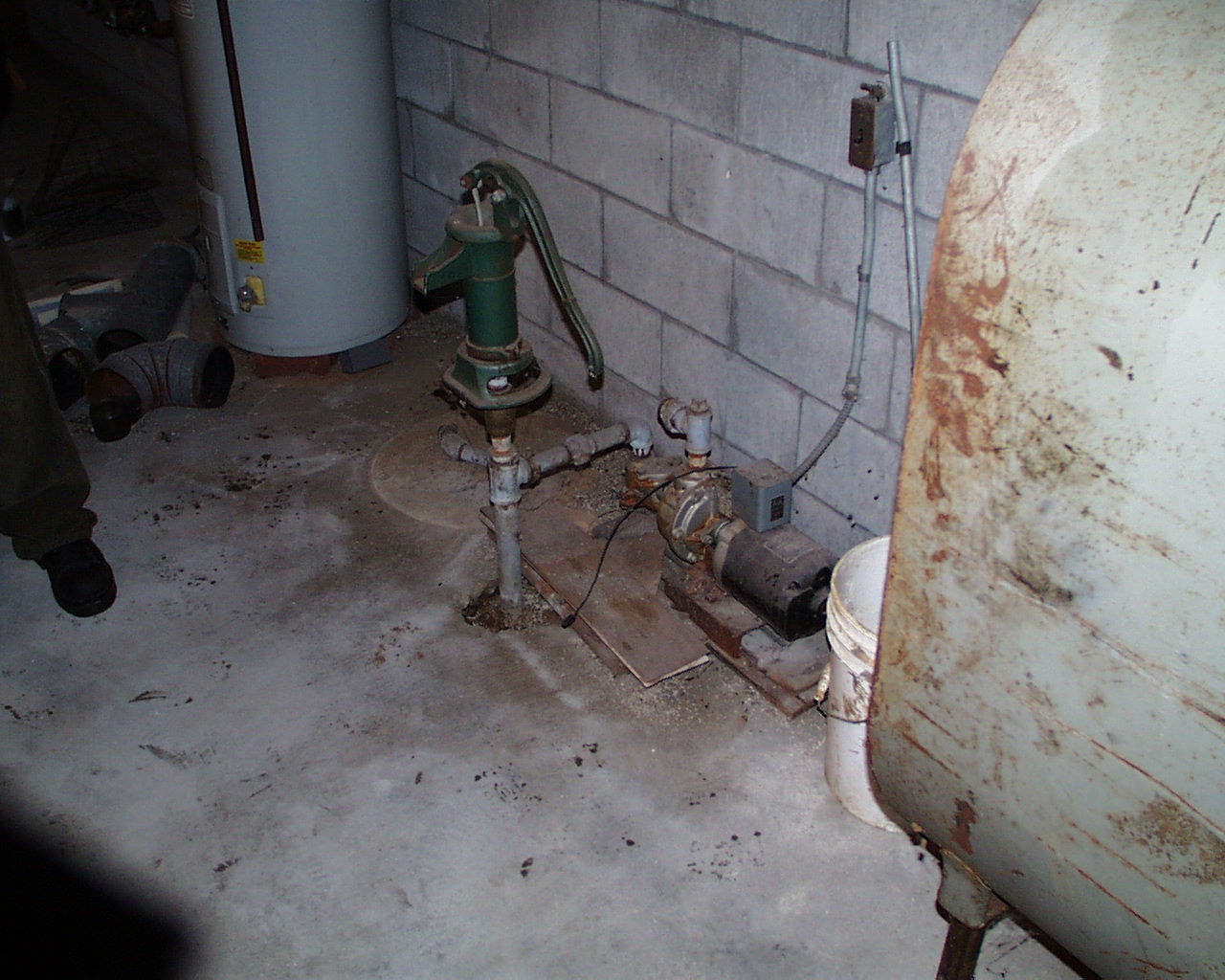
Illinois regulates private-well construction, modification, and sealing primarily through the Illinois Department of Public Health (IDPH), generally working with county or local health departments. Once a well is built, the owner is responsible for keeping the water safe — that means regular testing, maintaining the wellhead, cap, and casing, and knowing when to call a professional. Local ordinances, soil conditions, well type, and household use can all make requirements stricter or different from a general baseline.
An annual testing plan
- Coliform bacteria — at least annually. Illinois EPA recommends this as a baseline. A positive result signals possible surface or sewage contamination reaching the well; it does not by itself identify which specific pathogen may be present.
- Nitrate — annually, and always before giving well water to an infant. Illinois EPA identifies 10 mg/L (as nitrogen) as the EPA maximum contaminant level; don't give water above that level to infants under six months.
- Consider additional tests based on your situation. Nearby gas stations, industrial or commercial sites, fuel tanks, solvents, agriculture, a known spill, or a change in water quality can justify testing for VOCs, pesticides, metals, arsenic, radon, PFAS, or other contaminants.
- CDC's broader annual guidance also includes total dissolved solids and pH. Ask your local health department which specific tests make sense for your property.
- Always use an Illinois-accredited or state-certified laboratory — a home test kit result is not the same as a certified lab result for legal or health-decision purposes.
Understanding a result: bacteria, nitrate, or chemicals
Possible bacteria
Boil water at a rolling boil for one minute before drinking, cooking, brushing teeth, making ice, or preparing infant formula — or use bottled water — until you've retested and addressed the cause.
Elevated nitrate
Boiling does not remove nitrate — it can even concentrate it. Use bottled or another safe water source, especially for infants, and work with the local health department on the cause.
Fuel, solvents, or pesticides
Do not rely on boiling for any suspected chemical contamination. Use bottled water or another safe source and contact the health department; boiling does not remove chemicals.
For any health concern related to your drinking water — including symptoms you're experiencing — contact your doctor or the Illinois Poison Center rather than trying to self-diagnose from a water test result.
Warning signs worth investigating
Sudden taste, odor, color, or clarity change
Cloudiness, sediment, or a new taste/odor can indicate a change worth investigating with a test.
Recurrent gastrointestinal illness in the household
Discuss any recurring illness with your doctor and consider testing your water as one factor to check.
A positive coliform bacteria result
Indicates possible surface or sewage contamination reaching the well — not confirmation of a specific pathogen.
Flooding, a nearby spill, or a damaged well cap/casing
Any of these can create a new pathway for contamination and justify inspection and retesting.
If your well has been flooded
- Don't drink or cook with the water. Use bottled water, or boil for one minute only if the concern is biological — boiling does not address chemical contamination that floodwater can carry.
- Keep children and pets away from floodwater and any nearby sewage.
- Have the well inspected and, if appropriate, disinfected by a qualified person, then tested by a certified laboratory before resuming normal use.
- CDC recommends waiting at least 7–10 days after disinfection before sampling, then testing for total coliform and E. coli or fecal coliform.
- If that result is satisfactory, CDC recommends follow-up testing again in 2–4 weeks, and again in 3–4 months, with continued periodic monitoring afterward.
Wellhead protection and setbacks
Protect the wellhead by keeping it on ground that drains away from the well, keeping chemicals, fuel, fertilizer, manure, and waste away from it, maintaining an intact sanitary cap and casing, and preventing standing water, debris, or flooding around it.
No single distance applies statewide. Illinois EPA's new-well guidance gives examples only — such as roughly 10 feet from certain watertight sewers, 50 feet from septic tanks and animal-confinement areas, and 75 feet from septic fields and manure piles. The actual required separation depends on soil type (Illinois' Part 905 separation table is specifically for clay, silt, and loam soils; sandy or other soils require a site-specific determination), well construction, and local approval.
Abandoned wells
An unused or defective well is a direct pathway for contamination and a physical safety hazard. Illinois guidance calls for an owner to properly seal an abandoned well within 30 days after it's no longer used or found unsafe. A licensed water-well driller normally performs this work; a homeowner may request written permission from IDPH or the local health department to do it themselves using code-compliant procedures and materials. Never simply fill an old well with soil, trash, or concrete.
Winter considerations
Protect exposed well, pump, pressure-tank, and supply-line piping from freezing, disconnect outdoor hoses and faucets, and maintain heat in occupied homes. Never thaw frozen pipes with an open flame or torch. Follow your specific pump, treatment-system, and pressure-tank manufacturer's winter instructions — there's no single statewide procedure for every well.
Records worth keeping
- Well permit, construction report, sealing record, and depth/casing information.
- Pump installation report and any repair history.
- Laboratory test results and treatment-system service records.
- Manufacturer manuals and contractor license information.
Transfer these records to a buyer when the property is sold — they're often the only documentation a new owner will have.
Inspection and pumping — reference ranges, not a fixed rule
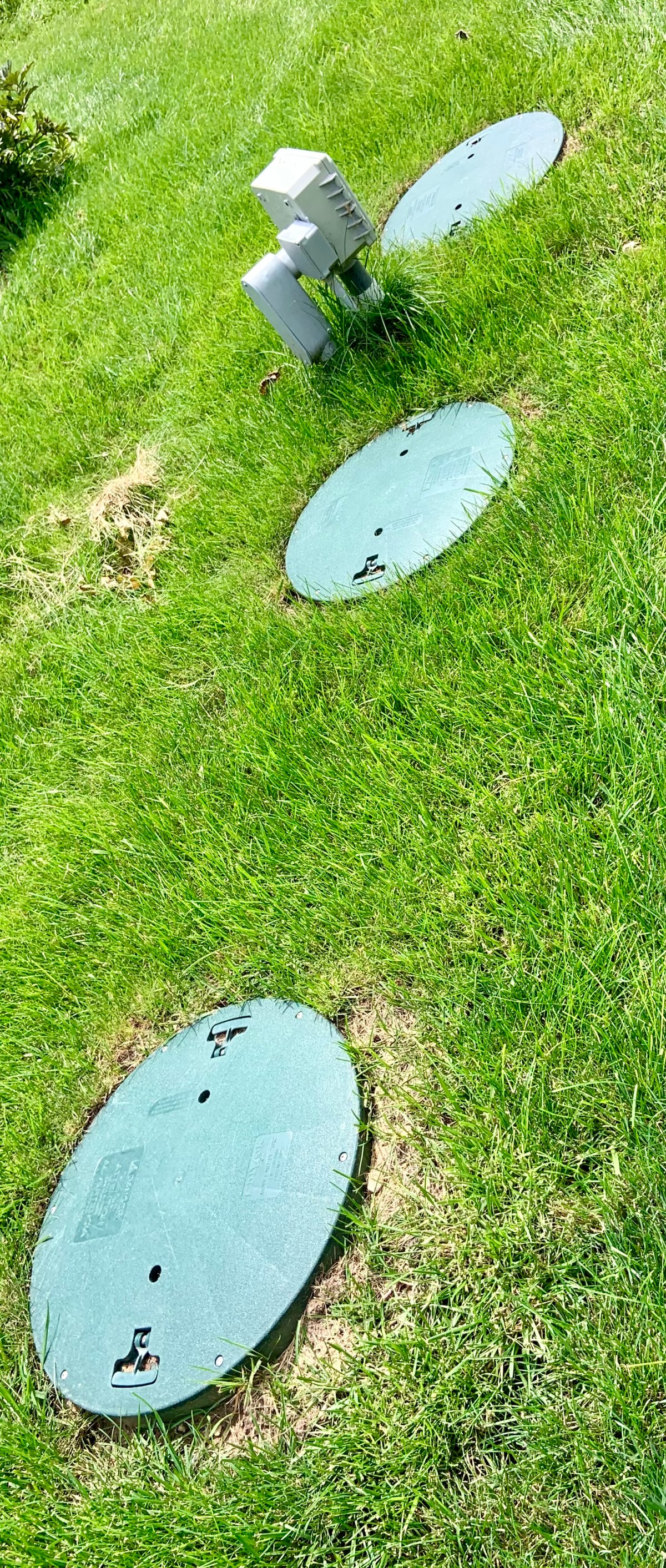
- Illinois EPA homeowner guidance: inspect sludge and solids annually, and pump generally every 2–3 years or more often if needed.
- U.S. EPA's broader guidance: inspect the entire system every 1–3 years, and pump commonly every 3–5 years, or sooner when inspection shows it's necessary.
Neither range is a universal Illinois interval. The right schedule for your system depends on measured sludge and scum levels, tank and system design, number of occupants, water use, garbage-disposal use, manufacturer instructions, and local requirements — follow the stricter applicable rule and your service provider's actual measurements, not a fixed calendar date.
Tank size alone doesn't determine how much wastewater a system can safely handle — design capacity, drainfield condition, soil, and occupancy all factor in. Systems with surface discharge, or larger or specialized treatment systems, may involve additional Illinois EPA rules beyond standard septic tank and seepage-field permitting.
Flush only human waste and toilet paper
Never flush or pour down any drain:
- Wipes (including "flushable" wipes), diapers, and feminine-hygiene products
- Condoms, dental floss, and cotton swabs
- Paper towels, cigarette butts, cat litter, or household trash
- Grease, fats, oils, and coffee grounds
- Large amounts of food waste
- Paint, solvents, gasoline, pesticides, and antifreeze or other automotive fluids
- Unused pharmaceuticals
- Harsh drain cleaners or septic additives, unless specifically approved by your system's manufacturer and local authority
- Stormwater, roof runoff, foundation-drain water, sump-pump discharge, or swimming-pool water
A garbage disposal can substantially increase solids reaching the tank and shorten the time between pumpings.
Protecting the drainfield
- Keep vehicles, heavy equipment, sheds, pools, and stored materials off the tank and drainfield.
- Keep rainwater, roof drains, sump pumps, and irrigation from saturating the field.
- Maintain grass or other shallow-rooted cover; avoid deep-rooted trees and shrubs nearby.
- Spread laundry and high-volume water use across the week, and repair plumbing leaks promptly.
- Don't add soil, pave, or regrade the field without professional and local approval.
Warning signs and emergency response
Sewage backing up into toilets, tubs, sinks, or floor drains
Stop using affected fixtures immediately and reduce household water use.
Wet, spongy, unusually green, or sewage-smelling ground over the drainfield
Can indicate the drainfield is failing to absorb effluent properly.
Slow drains, gurgling plumbing, or recurring odors
Often an early sign worth addressing before a full backup occurs.
Alarm activation, pump failure, or unusually high tank level
Contact a licensed septic contractor promptly rather than waiting to see if it resolves on its own.
Respond by reducing water use, stopping use of affected fixtures, and keeping people and pets away from sewage. Never open or enter a septic tank — septic gases can be toxic and oxygen-deficient. Call a licensed septic contractor and the local health department.
Sewage exposure and cleanup
- Wear waterproof gloves, rubber boots, eye protection, and protective clothing.
- Cover cuts with waterproof bandages, and keep children, pets, and immunocompromised people away.
- Wash hands with soap and safe water after cleanup; discard contaminated porous materials that can't be thoroughly cleaned and dried.
- Clean hard surfaces with detergent, then disinfect — never mix bleach with ammonia or other cleaners.
- Seek medical attention for wounds, eye exposure, breathing problems, fever, vomiting, or diarrhea.
Illinois winter protection
There's no single statewide winterization procedure for every septic system. In general: inspect and insulate vulnerable risers, inspection pipes, pump components, and shallow piping as appropriate for your system's design; don't drive on frozen or snow-covered drainfields; and don't thaw frozen pipes with an open flame. Follow your septic, pump, and treatment-unit manufacturer's instructions — advanced systems may need specific winter service.
Remodeling, bedrooms, and additions
Before adding bedrooms, bathrooms, laundry facilities, an accessory dwelling unit, or major plumbing:
- Get written confirmation from the local health department or permitting authority before starting.
- Verify the septic system's approved design capacity and the number of bedrooms it's rated to serve.
- Confirm reserve/replacement-area requirements, soil limitations, and setbacks.
- Don't assume a bigger tank alone solves a capacity problem — under 77 Ill. Adm. Code 905.190, a major component replacement or a drainfield expansion/removal of 25% or more is generally treated as a new private sewage system requiring plan approval before construction. This is general context, not a substitute for confirming your specific project's requirements with the local authority.
Real estate buyer due diligence
- Request the well construction report, septic permit, approved design/as-built drawing, soil evaluation, and repair/pumping history.
- Confirm the actual well and septic locations in the field, not just on paper.
- Order an independent well-water test (at minimum coliform and nitrate) and have the septic tank inspected and, if appropriate, pumped.
- Confirm the septic system is approved for the home's current bedroom count and intended use.
- Ask the local authority whether transfer inspections, disclosure forms, or point-of-sale permits apply in that jurisdiction.
- Check for abandoned wells, unrecorded additions, or shared wells and easements nearby.
A maintenance and permit record ledger
Keep a running log of:
- Septic permit, soil borings/classification, and as-built drawing with bedroom/design capacity.
- Inspection reports, pumping receipts and dates, alarms, repairs, and warranties.
- Well permit, construction and sealing records, and laboratory test results.
- Contractor licenses and manufacturer manuals for both systems.
Transfer these records to the buyer when the property is sold.
Illinois sets minimum standards for private wells and septic systems, but the exact permitting authority, fees, inspection forms, and local deadlines vary by county and municipality — and local ordinances may be stricter or different from the minimum. Contact the local health department before construction, alteration, abandonment, major repairs, or a bedroom addition. Use the Illinois Permit Finder to identify a likely local permit authority to contact.
Frequently asked questions
Sources
- IDPH — Private Water & Closed Loop Wells
- IDPH — Private Sewage Disposal
- Illinois EPA — Private Well Users
- Illinois EPA — Well Water Testing
- Illinois EPA — Location and Construction of New Wells
- Illinois EPA — Abandoned Wells
- Illinois EPA — Septic System Maintenance
- CDC — Guidelines for Testing Well Water
- CDC — How to Disinfect Wells After an Emergency
- U.S. EPA — Frequent Questions on Septic Systems
- U.S. EPA — Resolving Septic System Malfunctions
- U.S. EPA — Do Your Part: Get SepticSmart Infographic
- CDC — Guidelines for Cleaning Safely After a Disaster
- CDC — Protecting Workers Handling Human Waste
- 77 Ill. Adm. Code Part 920 — Water Well Construction
- 77 Ill. Adm. Code Part 905 — Private Sewage Disposal
- 77 Ill. Adm. Code 905.190 — Installation Approval
- U.S. EPA — New Homebuyer's Guide to Septic Systems
This guide is general education, not professional, medical, legal, or engineering advice, and it does not certify or guarantee the safety, performance, or code compliance of any well or septic system. For an active emergency, call 911 first.