
Illinois Radon Guide for Homeowners
A practical, Illinois-focused walkthrough of radon testing, results, mitigation, real estate disclosure, and renter rights — built from official Illinois and federal sources, so you know what to ask and what to do next.
Last reviewed: September 17, 2026
The quick answer: testing is the only way to know
Radon is a naturally occurring, invisible, odorless, radioactive gas. It produces no reliable symptoms you can watch for, so you cannot tell whether your home has elevated radon by how you feel, how old the home is, or where it sits on a regional risk map. A radon test — not a guess based on location or house age — is the only way to find out your home's actual level.
of tested Illinois homes were found above 4.0 pCi/L, per IEMA data cited by the Illinois Department of Public Health — a result from homes that were tested, not a prediction that 41% of every home in Illinois currently has elevated radon.
is the level at which EPA and IEMA-OHS recommend fixing a home; EPA also says it's worth considering mitigation between 2.0 and 4.0 pCi/L, since no radon exposure level is considered completely risk-free.
is the retesting interval EPA recommends, according to the Illinois Department of Public Health — and sooner after renovations or a change in which levels of the home are lived in.
This guide is for general education only. It is not medical, legal, or professional advice, and it does not certify, inspect, mitigate, or guarantee the safety of any home. For paid radon measurement or mitigation work in Illinois, use an appropriately IEMA-OHS-licensed professional. This page collects and saves nothing you read or enter here.
Why Illinois homeowners should test
Radon forms naturally from the breakdown of uranium in soil and rock, and it can enter a home through foundation cracks, sump pits, floor drains, crawl spaces, and utility openings. Once inside, it can build up to levels far higher than outdoor air, especially in the lowest levels of a home. Long-term exposure to elevated radon is linked to lung cancer, and smoking substantially increases that risk on top of radon exposure — the two together are considerably more dangerous than either alone.
Illinois screening maps published by EPA are a broad, general risk tool, not a homeowner-level answer. EPA is explicit that its zone map should never be used to decide whether a specific home needs testing, because homes in every zone — including ones mapped as lower risk — can have elevated radon. Combined with the Illinois Department of Public Health's cited figure that 41% of tested Illinois homes came back above 4.0 pCi/L, the practical takeaway is straightforward: your neighbor's result, your county's map color, and your home's age all tell you very little. Only a test on your specific home tells you your specific level.
How radon testing works: a step-by-step timeline
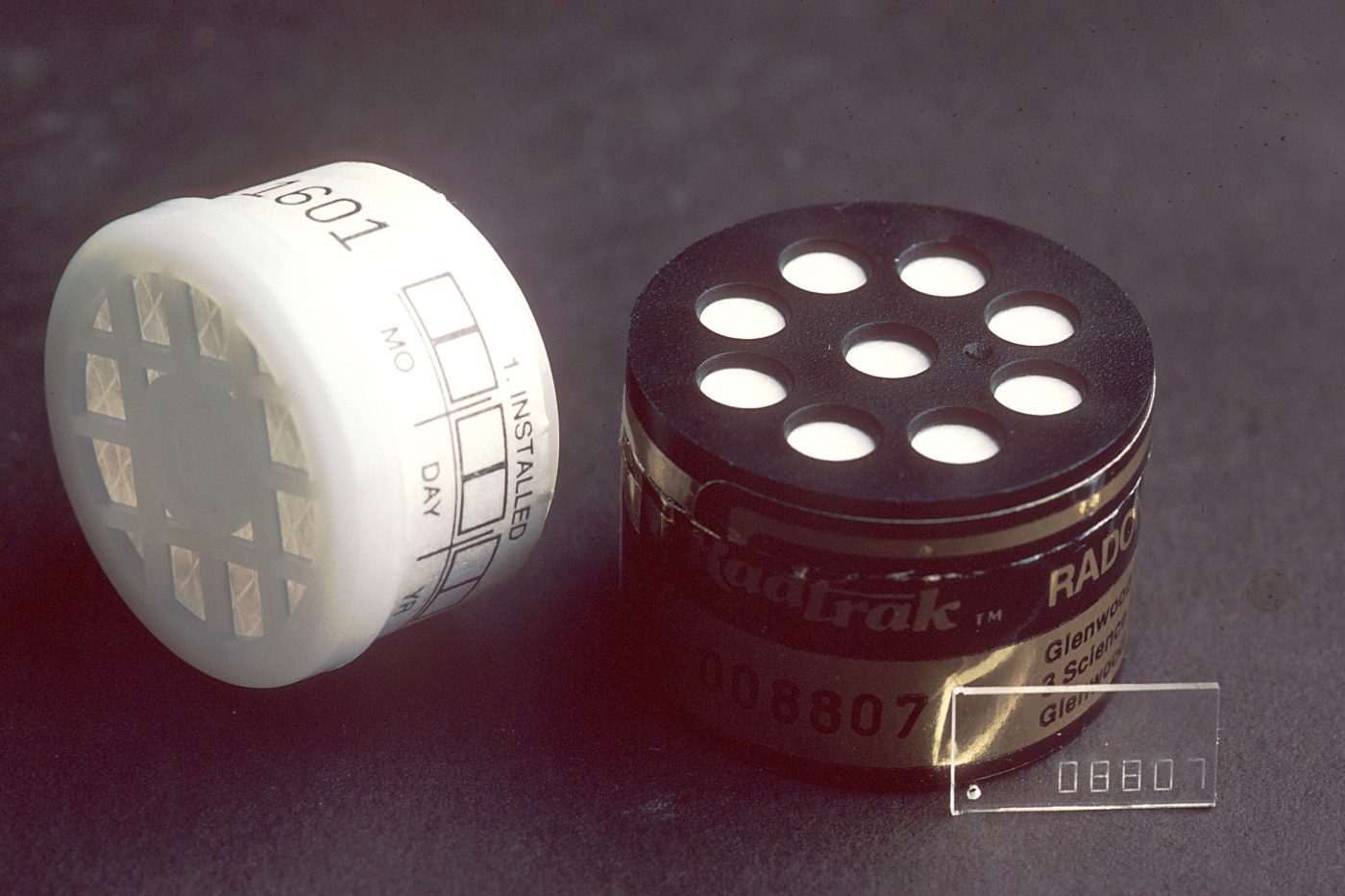
- Choose a test type. Decide between a short-term test (roughly 2–90 days, with EPA's consumer checklist requiring at least 48 hours) for a faster read, or a long-term test (more than 90 days) for a better estimate of your home's year-round average.
- Get an accepted device or hire a licensed professional. Use a test device and laboratory that meets Illinois requirements, or hire a measurement professional licensed through IEMA-OHS.
- Place the device correctly and maintain test conditions. Position it in the lowest lived-in or potentially occupiable level, in a regularly used room, away from drafts and disturbance, and follow closed-house conditions for a short-term test (see the placement section below).
- Let the test run for its full duration without interference, then send it to the lab or read the device as instructed.
- Review the result against the 4.0 pCi/L action level (see the interpretation section below) and decide on any follow-up test.
- If a short-term result is 4.0 pCi/L or higher, follow up with either a long-term test (to estimate the annual average) or a second short-term test (when you need an answer faster or the first result was substantially elevated), then make a fix/mitigate decision following EPA and IEMA-OHS guidance.
- If you mitigate, retest afterward to confirm the system actually lowered your result, and keep the system running and maintained going forward.
Understanding your result
No level of radon exposure is considered completely free of risk — the ranges below describe how EPA and IEMA-OHS generally frame action, not a guarantee of safety at any level.
Where and how to place a test device
Do
- Test in the lowest level that is currently lived in or could reasonably be used regularly.
- Use a regularly occupied room — a bedroom, living room, den, playroom, or family room.
- Place the device at least 20 inches above the floor.
- Keep it away from drafts, exterior walls, direct sunlight, high heat, and high humidity.
- For a short-term test, keep windows and unnecessary exterior doors closed throughout the test.
Don't
- Don't place it in a closet, hallway, stairway, crawl space, kitchen, bathroom, or laundry room.
- Don't put it in a furnace or mechanical room.
- Don't disturb, move, or tamper with the device during the test.
- Don't run fans or equipment that bring in outdoor air during a short-term test's closed-house period.
- Don't skip the manufacturer's and laboratory's specific instructions — they govern over general guidance.
For a 2–4 day short-term test, EPA advises starting closed-house conditions at least 12 hours before the test begins and maintaining them throughout; for a 4–7 day test, EPA recommends maintaining closed-house conditions for the duration. These are general practices — always defer to your specific device and laboratory's printed instructions.
Short-term vs. long-term testing
Short-term test
Generally 2–90 days, with at least 48 hours per EPA's consumer checklist. Faster results, but more affected by weather, ventilation, and how the closed-house conditions were kept. A good first step, or a fast way to get a second data point after an elevated result.
Long-term test
More than 90 days. Better represents the home's year-round average, since it captures more seasonal variation. Closed-house conditions are not generally required for tests longer than 90 days, but you should still follow the device and laboratory's instructions.
How radon mitigation works
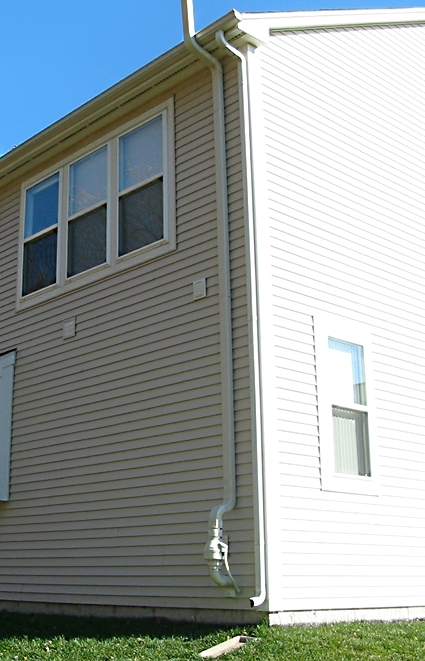
The most common mitigation approach is active soil depressurization: a pipe draws soil gas from beneath the slab, sump, drain tile, foundation wall, or a crawl-space membrane and vents it safely outdoors, typically with a fan to maintain steady suction. Depending on the home's construction, a licensed mitigation professional may use sub-slab depressurization, sump-hole or drain-tile suction, block-wall suction, or sub-membrane depressurization for a dirt-floor crawl space.
Sealing major cracks, joints, sump covers, and other penetrations can support a mitigation system, but sealing alone is generally not considered a reliable, complete mitigation strategy on its own. After a system is installed, test independently to confirm it actually reduced your radon concentration, and keep the system running and properly maintained — a mitigation system that's turned off or neglected doesn't keep protecting the home.
Buying or selling a home in Illinois
Sellers
Under the Illinois Radon Awareness Act, before a buyer is obligated under a purchase contract, a seller generally must provide the IEMA-OHS-approved radon testing pamphlet (or an approved equivalent) and the Illinois Disclosure of Information on Radon Hazards, along with any known records or reports showing elevated radon concentrations.
The Act does not require the seller to test or mitigate the home. A buyer may separately request a test, and a lender, relocation company, or local requirement may add its own conditions on top of the statute.
Buyers
Review the disclosure documents and any test records the seller provides, and consider commissioning your own test — especially if the home has never been tested, has been renovated, or if you plan to occupy a level (such as a finished basement) that wasn't previously tested.
Renting in Illinois
What current Illinois tenant provisions generally cover
Under current Illinois tenant radon provisions, a lessor generally must provide an approved tenant radon guide and disclosure form, along with any available records or reports indicating a radon hazard in the unit, at application, before the lease, or during the lease upon request. A tenant generally has a window of time after the agreed leasing period begins to conduct their own test, and a deadline after receiving results to share them with the lessor. Results are typically treated as valid for about two years, unless renovations or substantial modifications occur.
If a radon hazard is established and the lessor does not dispute or address it, current provisions describe a process under which a tenant may, within a specified period, arrange mitigation with the lessor's express consent, or in some circumstances end the lease. These rules are specific, have deadlines, and have changed over time — older pamphlets and outdated guidance may not reflect the current law.
Get current legal information, and speak with a qualified attorney before withholding rent, terminating a lease, or performing any radon-related work yourself. This guide summarizes the general shape of these provisions; it is not a substitute for reading the current statute or getting legal advice for your specific lease and situation.
Working with a licensed Illinois radon professional
Illinois regulates paid radon measurement and mitigation services under the Radon Industry Licensing Act (420 ILCS 44) and its administrative rules. An unlicensed individual generally may not perform paid radon measurement or mitigation without a licensed individual's direct on-site supervision. Before hiring anyone for paid testing or mitigation, verify their current license and license type — Measurement Professional, Measurement Technician, or Mitigation Professional — in the state's public listing.
Search the IEMA-OHS Radon Active Licensee ListingWhen to retest: a checklist
- Your last test is roughly two years old or older.
- You're about to start using a lower level, such as a basement.
- You've renovated, finished, added to, or substantially altered the home.
- You're buying a home and a level a buyer will occupy hasn't previously been tested.
- You've made a major change in ventilation, air exchange, or occupancy patterns — a good-practice reason to retest, even though it is not stated here as a universal legal requirement.
- You just completed a mitigation installation and need to verify it actually lowered your result.
Frequently asked questions
Sources
- IEMA-OHS — Radon
- IEMA-OHS — What Is Radon
- IEMA-OHS — Radon Active Licensee Listing
- IEMA-OHS — Radon: Real Estate
- Illinois Department of Public Health — Radon FAQs
- U.S. EPA — Radon
- U.S. EPA — How Often Should I Test/Retest My Home for Radon
- U.S. EPA — Explain Working Levels (WL) and Picocuries Per Liter of Air (pCi/L)
- CDC — Radon and Your Health
- Illinois Radon Awareness Act — 420 ILCS 46/10
- Illinois Radon Awareness Act — 420 ILCS 46/26 (tenant provisions)
- Radon Industry Licensing Act — 420 ILCS 44/15
This guide does not address other home emergencies. For a gas leak, fire, or other immediate danger, call 911 first.