
Child Home Safety Guide for Illinois Families
A room-by-room checklist to help Illinois families reduce common household hazards for infants, toddlers, and young children.
Last reviewed: September 17, 2026
In an emergency
- Call 911 immediately for any immediate danger, injury, or life-threatening emergency.
- For a suspected poisoning, call Poison Control at 1-800-222-1222 right away.
- Do not induce vomiting unless instructed to by Poison Control or another medical professional.
This guide is for general educational purposes only. It is not professional, medical, legal, fire, emergency-response, or building-code advice, and following it does not certify, inspect, or guarantee the safety of any home. Always follow instructions from local fire, police, and emergency services, and consult qualified professionals for your specific situation. This page collects and saves nothing you read here.
Safety checklist
Furniture & TV tip-over
- Anchor dressers, bookcases, and other tall furniture to the wall with anti-tip straps or brackets.
- Mount flat-screen TVs to the wall or a low, stable base rather than a tall dresser.
- Store heavier items on lower shelves and drawers so furniture doesn't become top-heavy.
Windows & blind cords
- Install window guards or stops on upper-floor windows so they open no more than four inches.
- Use cordless blinds and shades, or tie up and secure any looped cords well out of reach.
- Keep cribs, beds, and furniture away from windows so children can't climb toward them.
Stairs & gates
- Install gates at the top and bottom of stairs, and choose hardware-mounted gates for the top of a staircase.
- Keep stairways clear of toys, cords, and clutter.
- Add non-slip treads if stairs are uncarpeted or slippery.
Water, bathtubs & pools
- Never leave a young child alone in or near a bathtub, pool, pond, or other standing water, even briefly.
- Empty buckets, kiddie pools, and coolers immediately after use.
- Secure pools with four-sided fencing and a self-latching gate, separate from the house.
Poisoning & medications
- Store medications, vitamins, and cleaning products up high, out of sight, in their original child-resistant containers.
- Keep the Poison Control number (1-800-222-1222) saved in your phone and posted somewhere visible.
- Never refer to medicine as "candy" to encourage a child to take it.
Burns & cooking
- Turn pot handles inward and use back burners when possible while children are nearby.
- Keep hot drinks, appliances, and irons away from table edges and countertop edges.
- Test bathwater temperature before placing a child in the tub; consider setting your water heater below 120°F.
Electrical safety
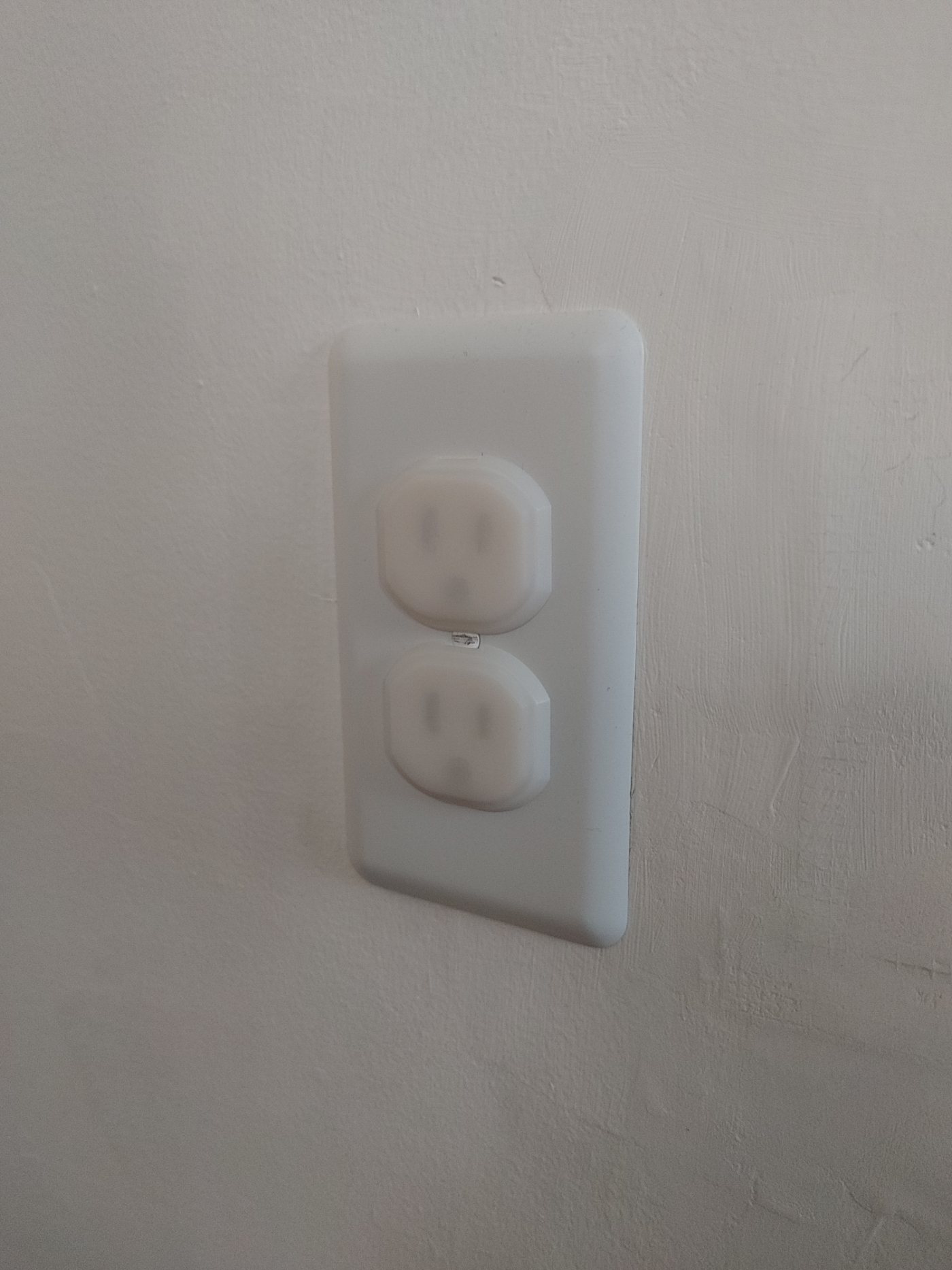
- Cover unused electrical outlets and keep cords out of reach or secured along baseboards.
- Keep small appliances unplugged and away from sinks, tubs, and other water sources.
Choking & strangulation
- Keep small parts, button batteries, coins, and magnets out of reach of young children.
- Cut food into small pieces appropriate for your child's age, and supervise meals.
- Check that toys are age-appropriate and don't have small, detachable parts.
Firearm safety
- Store firearms unloaded, locked, and separate from ammunition, in a location children cannot access.
- Use a cable lock or lockbox even when a firearm is stored in a safe.
Safe sleep & alarms
- Follow safe-sleep guidance: babies on their backs, on a firm mattress, with no loose blankets, pillows, or soft toys.
- Install and maintain smoke and carbon monoxide alarms on every level of the home, including near sleeping areas.
Practical guidance
Child safety needs change quickly as a child grows — what's appropriate for a crawling infant is very different from what's needed for a curious toddler who can climb and open doors. Walk through each room of your home from a child's-eye view: get down at their height to spot cords, sharp corners, small objects, and climbable furniture you might otherwise miss.
Furniture and TV tip-overs remain one of the most preventable but serious hazards in homes with young children — anchoring furniture takes only a few minutes and dramatically reduces risk. Water safety deserves constant, direct supervision rather than relying on floatation devices or a sibling "watching."

Revisit this checklist any time your child reaches a new developmental milestone, moves to a new room, or when you welcome visitors or move to a new home, since hazards you've already addressed elsewhere may not have been addressed in a new environment.